
The global technology industry is facing an increasing challenge known as the RAM crisis. Memory chips are essential components in nearly every computing device including smartphones, laptops, gaming systems, and cloud servers. However, the rapid expansion of artificial intelligence infrastructure is pushing global memory demand to unprecedented levels.
Understanding RAM and Its Importance
Random Access Memory (RAM) is a volatile memory used by computers to store data that is actively being processed. Unlike permanent storage such as SSDs or hard drives, RAM provides extremely fast access to information required by the processor.
More RAM allows computers to run multiple applications simultaneously and process larger datasets efficiently. The speed and capacity of RAM significantly influence system performance.
Types of Modern RAM
DDR Memory
DDR memory such as DDR4 and DDR5 is widely used in desktop computers, laptops, and servers. DDR5 offers higher bandwidth and improved efficiency compared to previous generations.
GDDR Memory
Graphics cards rely on GDDR memory such as GDDR6 and GDDR6X to handle high-speed graphical workloads including gaming and professional rendering.
High Bandwidth Memory (HBM)
HBM is an advanced memory architecture used in high-performance computing and AI accelerators. It uses stacked chip technology to deliver extremely high bandwidth while maintaining lower power consumption.
Market Observation
In the local electronics market, prices of older memory modules such as DDR2 and DDR3 are also increasing. Even though these technologies are considered outdated, reduced manufacturing and limited remaining stock have pushed prices higher in repair and refurbishment markets.
The Artificial Intelligence Boom
Artificial intelligence has rapidly transformed industries including healthcare, finance, transportation, and scientific research. Training advanced AI models requires massive computing infrastructure.
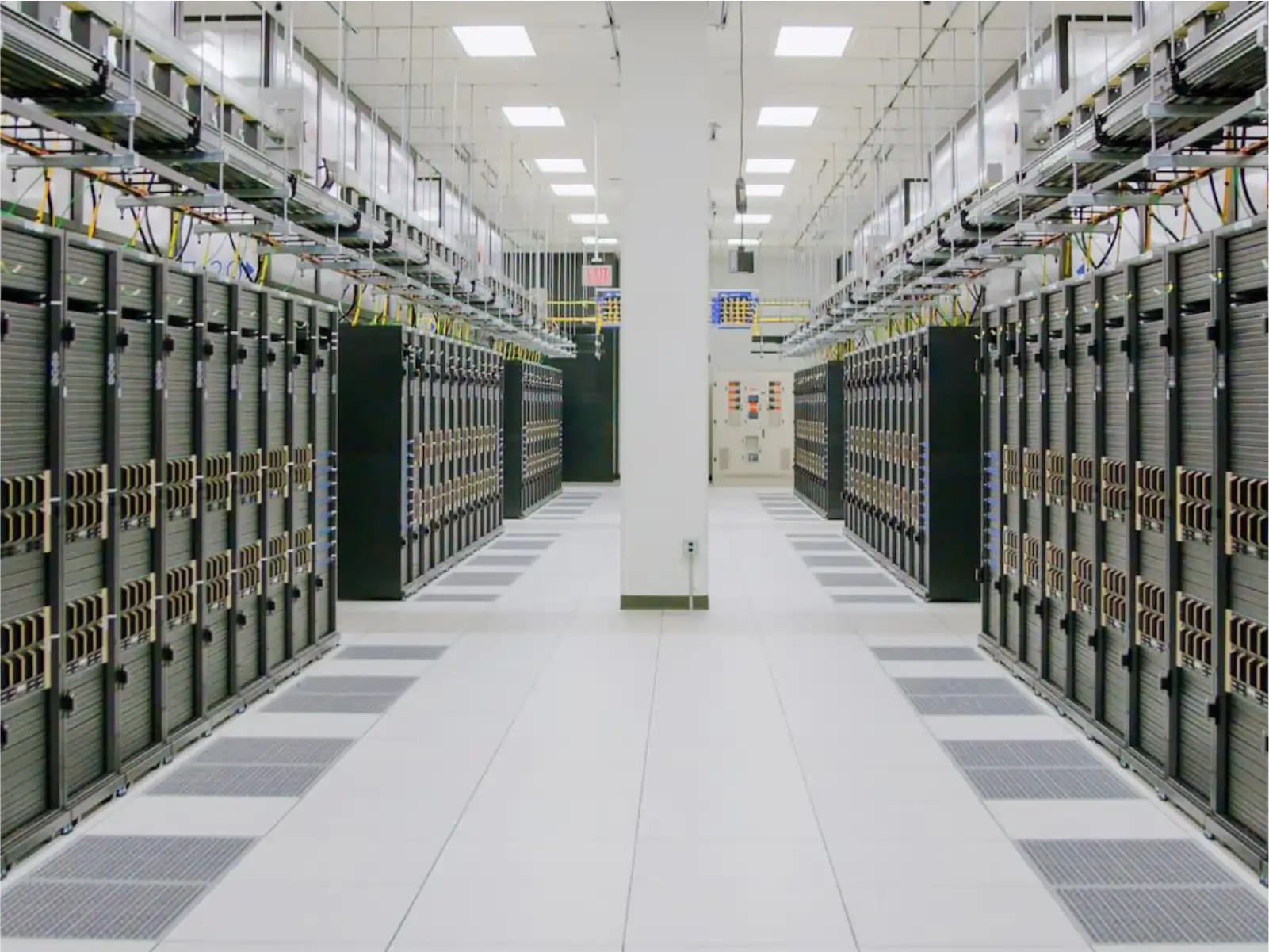
Companies such as OpenAI, Google, and Microsoft operate enormous data centers filled with thousands of GPUs connected together to train large machine learning models.
Why AI Requires So Much Memory
AI systems process enormous datasets during training. Each GPU used in an AI cluster requires high-speed memory to store model parameters and intermediate calculations.
Large AI training clusters may contain tens of thousands of GPUs. Each GPU includes multiple memory modules, which means a single AI project can consume millions of memory chips.
Subsidy significantly reduces upfront cost and improves ROI. The amount is credited directly to the beneficiary’s bank account after installation and inspection.
Why HBM Is the Biggest Bottleneck
The most critical constraint in the AI hardware supply chain today is High Bandwidth Memory (HBM). AI accelerators depend heavily on HBM to move massive volumes of data between processors and memory.
However, HBM production requires complex 3D chip stacking technologies that only a few semiconductor manufacturers can produce at scale.
Limited Number of Memory Manufacturers
Only a few companies dominate the global memory industry:
- Samsung Electronics
- SK Hynix
- Micron Technology
Building new semiconductor fabrication plants requires billions of dollars and several years of development, which makes it difficult to rapidly increase supply.
Impact on Gaming and Consumer Hardware
The RAM crisis is also affecting gamers and PC builders. GPU manufacturers must purchase memory chips at higher prices, which increases the cost of graphics cards and gaming systems.
- Higher GPU prices
- Slower DDR5 price reductions
- Limited availability of high-end hardware
Future Outlook for the RAM Market
Memory manufacturers are investing heavily in new semiconductor factories and advanced manufacturing technologies. However, AI infrastructure is expanding extremely fast.
Because of this, demand for high-performance memory may remain strong for many years.
Conclusion
The global RAM crisis highlights how essential semiconductor technology has become to the modern digital economy. Artificial intelligence, cloud computing, and high-performance GPUs are dramatically increasing demand for advanced memory.
Until manufacturing capacity expands significantly, the global memory market may continue experiencing supply constraints and price fluctuations.
Frequently Asked Questions
What is the RAM crisis?
The RAM crisis refers to the global shortage of memory chips caused by rising demand from artificial intelligence systems, data centers, gaming hardware, and cloud computing services.
Why is RAM getting more expensive?
RAM prices increase when global demand exceeds supply. The rapid growth of AI data centers and GPU infrastructure has increased demand for advanced memory technologies such as HBM and DDR5.
How does AI increase memory demand?
AI models require enormous computing power and high-speed memory to process large datasets. Training large AI models often requires thousands of GPUs, each equipped with large amounts of high-bandwidth memory.
What companies produce most of the world's RAM?
Most advanced memory chips are produced by companies such as Samsung Electronics, SK Hynix, and Micron Technology.
Will RAM prices go down in the future?
RAM prices may decrease once new semiconductor factories increase production capacity. However, continued growth in artificial intelligence could keep demand high.